
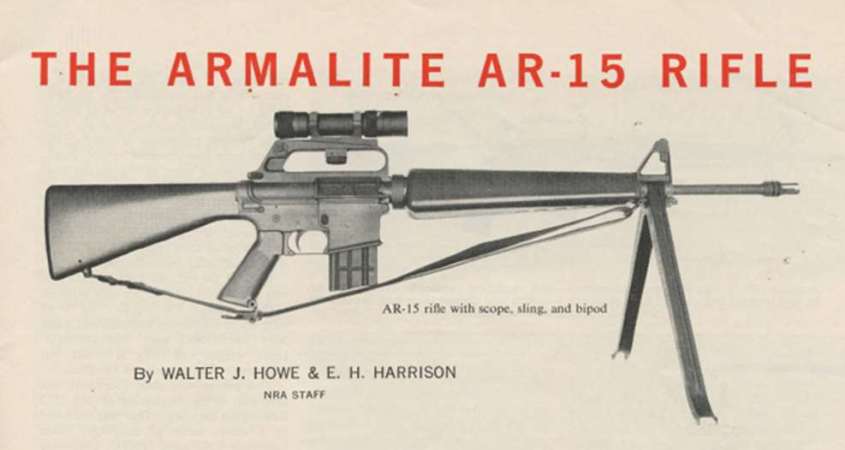
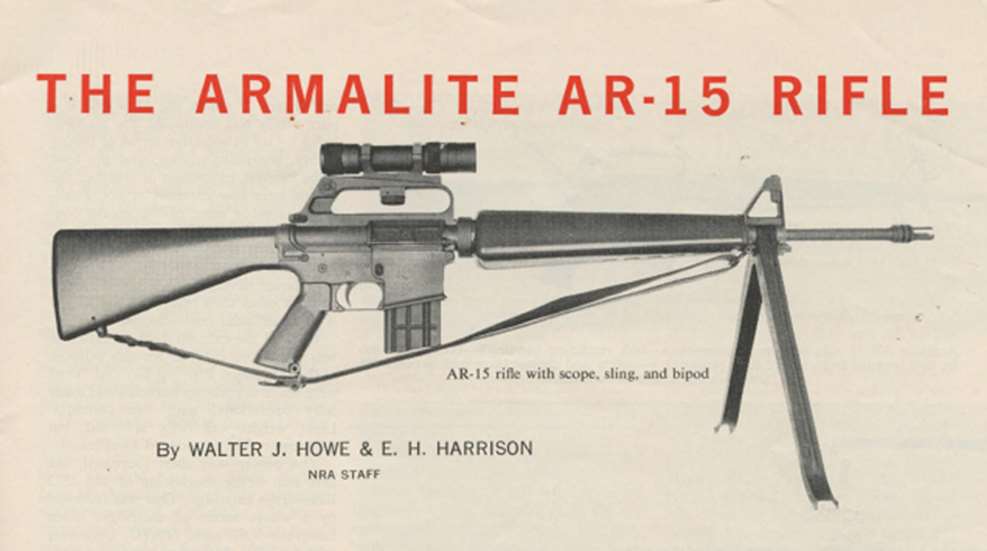
One of the lesser-known controversies with the M16 development program began in May 1962 when an article in American Rifleman magazine stated that the M16 was not accurate in cold weather.
While reading the book “The M16 Controversies” I came across this information:
“Formal tests in a “cold chamber” at Eglin Air Force Base early in 1963 finally verified the existence of “a severe stability problem” as temperatures approached minus 65 degrees Fahrenheit.”
Eugene Stoner’s original design of the AR-15 had a 1 turn in 14 inches rifling. The result of this finding lead to the recommendation to change the rifling to 1 turn in 12 inches in order to make the bullet spin more and improve bullet stability at low temperatures.
The thing that is absurd about the tests and criticism of bullet performance at minus 65 degrees is that a soldier cannot even function at minus 65 degrees. It is stated (www.hikersdaily.com) that the lowest temperature at which a human can survive is around minus 21 degrees Fahrenheit. Below that, the human body loses heat faster than it can produce it.
You can read the original article in the May 1962 issue of American Rifleman magazine which created this cold weather controversy at this link:
https://www.americanrifleman.org/content/the-first-colt-ar-15-rifle/
 The Colt AR-15 Resource
FWIW: The wheels started falling off long before the temps hit -65F. You can find the original USAF report online at DTIC.mil, as well as a much later report from Aberdeen revisiting the controversy as a result of the Ichord Hearings. Colt even fabricated a large batch of rifles with new 1-14″ twist barrels for side by side testing with the then standard 1-12″.
LikeLiked by 1 person
Thank you for the additional information.
LikeLike
Here is the 1963 USAF test report “Exterior Ballistics of the AR-15 Rifle”:
https://apps.dtic.mil/sti/citations/AD0296754
LikeLike
And here is the 1968 Aberdeen retest using new production 1-14″ twist barrels versus the standard 1-12″ twist:
https://apps.dtic.mil/sti/citations/AD0844934
LikeLike